
Pop!_OS 24.04 Beta with COSMIC DE: An initial review for audiovisual producers

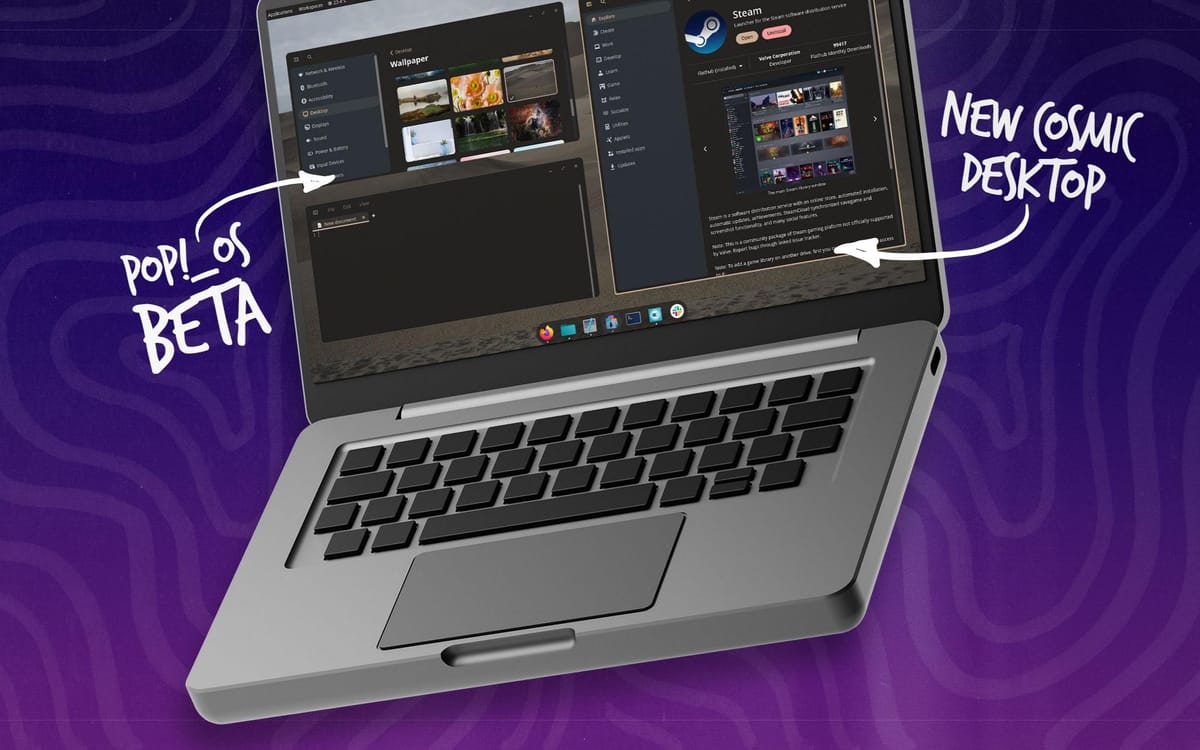
Acomunidade Linux aguardava com grande expectativa, e ele finalmente chegou: o beta do Pop!_OS 24.04 LTS, trazendo a estreia do tão esperado COSMIC Desktop Environment, a nova interface da System76 construída do zero em Rust.
Para nós, produtores de conteúdo audiovisual que dependemos de um sistema estável e eficiente, a pergunta é uma só: já é hora de atualizar?
Aqui no Cine Linux e na Movy Audiovisual (produtora associada ao Cine Linux), onde o Pop!_OS 22.04 LTS é um dos pilares de nossa infraestrutura ao lado de Zorin OS e Ubuntu Studio, mergulhamos de cabeça nos testes.
A conclusão, por ora, é clara: o COSMIC DE é um vislumbre de um futuro fantástico para o desktop Linux, mas ainda não é um ambiente para máquinas de produção.
O veredito inicial: Não recomendado para produção (Ainda)
Vamos direto ao ponto: se você depende do seu computador para entregar projetos, mantenha-se no estável Pop!_OS 22.04 ou em outra distribuição LTS de sua confiança. A versão 24.04, em seu estado atual, apresenta bugs e inconsistências que, embora devam ser corrigidos até o lançamento final, podem atrapalhar significativamente o fluxo de trabalho de um editor de vídeo, colorista ou motion designer.
Os pontos fortes: Desempenho que impressiona
O primeiro aspecto que salta aos olhos ao usar o COSMIC é a sua performance. A System76 prometeu e entregou um ambiente de trabalho que se sente notavelmente mais leve e responsivo que o GNOME. Em tarefas pesadas, como a manipulação de timelines complexas ou a execução de softwares que consomem muita RAM e CPU, a interface do COSMIC se mantém fluida.
Essa otimização é um sinal extremamente positivo. A sensação é que a interface gráfica não está mais “roubando” recursos preciosos que deveriam estar alocados para um render no DaVinci Resolve ou uma simulação no Blender. Para quem trabalha com 4K, 6K e efeitos em tempo real, cada gota de desempenho conta, e o COSMIC parece ter sido arquitetado com essa filosofia em mente. Quando estável, essa característica por si só poderá ser um fator decisivo para a adoção em massa por profissionais da nossa área.
Os problemas críticos: Onde o workflow quebra
Apesar da performance, a integração de softwares essenciais ao nosso trabalho ainda é um campo minado. Aplicativos do dia a dia, como OnlyOffice, LibreOffice, Thunderbird e navegadores, rodam perfeitamente bem, mostrando que a base do sistema é sólida para tarefas gerais.
Contudo, a história é outra quando abrimos nossa caixa de ferramentas principal. Testes com DaVinci Resolve, Shutter Encoder e até mesmo o Kdenlive revelaram problemas de integração preocupantes:
- Arrastar e soltar (drag-and-drop) defeituoso: Este é, talvez, o bug mais impeditivo para um editor. A ação fundamental de arrastar um clipe de vídeo, uma imagem ou uma trilha sonora do gerenciador de arquivos para a timeline do software simplesmente não funciona de forma confiável. Isso ocorre devido a uma limitação conhecida e ainda não resolvida na comunicação entre aplicativos nativos de Wayland (como o novo explorador de arquivos COSMIC Files) e aplicativos que rodam via XWayland (a camada de compatibilidade para softwares mais antigos, como é o caso de muitos em nosso nicho). Ter que recorrer a menus de “importação” para cada arquivo adicionado quebra completamente a agilidade do processo de edição.
- Gerenciamento de janelas e tiling: O sistema de tiling (organização de janelas) automático do COSMIC é poderoso, mas sua integração com softwares que não seguem estritamente as convenções modernas de janelas é falha. Em diversos momentos, janelas de diálogo do DaVinci Resolve ou do Kdenlive apareceram cortadas ou posicionadas fora da área visível da tela, exigindo malabarismos para serem acessadas. Em um setup com múltiplos monitores, a situação pode se agravar.
- Bugs de hardware e integração: Notamos também pequenas falhas na integração com alguns dispositivos de áudio e um polimento geral que ainda falta no gerenciamento de monitores, com comportamentos inesperados ao alternar entre telas ou ao conectar e desconectar dispositivos.
Um Futuro Promissor e Disruptivo
É crucial entender que esta análise não é uma condenação, mas uma constatação do estágio atual de um software em beta. Os problemas listados são, em sua maioria, “dores do crescimento” de uma tecnologia completamente nova.
A decisão da System76 de construir seu próprio ambiente em Rust, focado em performance e em um fluxo de trabalho moderno com tiling e comandos via teclado, é corajosa e pode ser disruptiva. Ao se libertar das amarras e do ciclo de desenvolvimento do GNOME, eles têm a chance de criar um sistema operacional verdadeiramente otimizado para usuários profissionais e “power users”.
A performance já superior em cargas de trabalho pesadas indica que, uma vez que os bugs de integração sejam sanados, o Pop!_OS 24.04 com COSMIC tem o potencial de se tornar a plataforma definitiva para produção audiovisual no Linux.
Por enquanto, a recomendação do Cine Linux é: experimente o beta em uma máquina secundária, em uma partição separada ou em uma máquina virtual. Ajude a reportar os bugs. Mas para o trabalho que paga as contas, a estabilidade e a previsibilidade da versão 22.04 LTS ainda são o caminho mais seguro. Estamos de olho e traremos uma nova análise assim que a versão final for lançada.
 Support Cine Linux